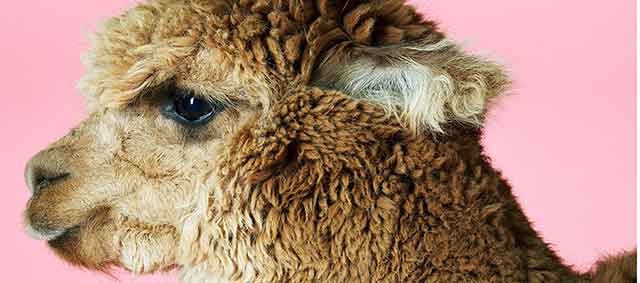
Frequently Asked Questions
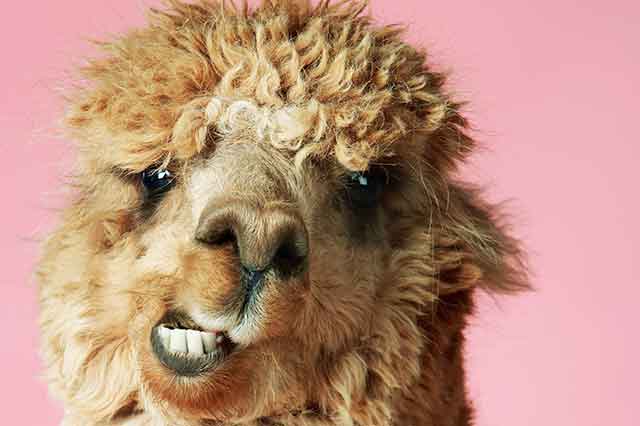
THEY'RE CUTE, BUT WHAT ELSE?
Q. They're really expensive, aren't they?
A. At this stage of the industry's development, price is directly related to the individual breeding potential and the potential quality of the offspring.
For example, a gelding (castrated male) has no breeding potential and is therefore the cheapest alpaca to by (around $500 to $1,000). On the other hand, a high quality male with many good progeny on the ground has a very high breeding potential and can be worth many thousands of dollars. He fan also command a high income from the stud services he provides.
Female prices are a reflection of quality, age, breeding history and to which stud male she is mated. Females can be worth anything from a few thousand dollars to tens of thousands of dollars.
Income from females is derived form selling the offspring. However, breeding plans should be made so that long term depreciation of the older breeders and increases in quality of offspring are taken into account.
Although the average gestation is eleven and a half months, a projection of three offspring in four years per mature female is more realistic than expectations of one offspring every year.
Q. What do you do with an alpaca?
A. They provide an excellent investment opportunity and are the source of luxurious fiber. The fleece, comparable to cashmere, is known for its fineness, light weight, and luster. Alpaca textile products are recognized worldwide. Everyone should own a soft, warm alpaca sweater.
Q. What do alpacas do besides grow fiber?
A. They make excellent companion animals and are also show animals with high aesthetic appeal. They have lovable dispositions. Alpacas are easily trained to lead and are gently enough to be handled by children. They are always a hit in a parade.
Q. What do you call an alpaca?
A. A baby is known as a cria. Weaned crias are known as weanlings or tuis. In Spanish, the adult males are known as machos and the females are hembras.
Q. Can you pack with an alpaca?
A. They can carry a small child or a light backpack on summer outings, but for heavier loads the larger llama is more appropriate.
Q. Are alpacas related to llamas?
A. Alpacas are very closely related to llamas. They are both from a group of four species known as South American Camelids. The llama is approximately twice the size of an alpaca with banana shaped ears and is principally used as a pack animals. Alpacas are exclusively bred as fleece animals.
Q. Can I have an alpaca as a pet?
A. Most alpacas make very good pets if they are treated well and the owners are realistic in their expectations. Like any livestock, the more handling they receive as youngsters, the quieter they are as adults. Given time, most alpacas will eat out of your hand and training them to lead by a halter is a straightforward process.
Alpacas generally don't like being held and are particularly sensitive to being touch on the head. They are naturally curious and intelligent and if you let them approach you, rather than rush at them and expect an affectionate response, the interactions can be very rewarding.
It is possible to have a single alpaca, but it is not a pleasant existence for the animal. Alpacas are herd animals and are instinctively gregarious, as are other domestic livestock. They obtain security and contentment from having at least one other alpaca for company.
For this reason, it is usually recommended that two alpacas is the desirable minimum.
ON THEIR BEST BEHAVIOR
A. Absolutely not! They are safe and pleasant to be around. They do not bite or butt and they do not have the teeth, horns, hooves, or claws to do serious injury.
A. Yes, they are amazingly alert animals who quickly learn to halter and lead. They constantly communicate with each other through body posture, tail and ear movements, and a variety of sounds. The sound heard most often is a soft humming, a mild expression befitting a gentle animal.
A. Spitting is perhaps the least endearing feature of alpacas. It is one of the few defense mechanisms an alpaca has and is quite an effective deterrent. The material is basically regurgitated or recently chewed grass and it brushes off when dry. It does have a distinctive and somewhat offensive odor and it is best to avoid being a target.
However, it is quite rare that alpacas spit at people. It is normally used as a pecking order mechanism with other alpacas. If a human hit occurs, it is usually because the person has not read the signs properly when stepping between two squabbling alpacas.
A. When interacting with humans, kicking and biting is highly individualistic. Alpacas are usually sensitive around the hind legs and will instinctively kick backwards if they sense a threat from the rear.
Most alpacas do not kick at humans, but there are individuals that can be quickly identified as being prone to kicking. This is more evident in a pregnant female that wants to deter the advances of an amorous male.
Fortunately, because the foot is a soft pad, injuries to humans are minimal. Most alpacas respond very well to desensitization of the hind legs if they receive good handling as youngsters.
Alpacas that bite people are extremely rare and it is not a general problem. If it does occur it tends to be an attention seeking behavior by spoilt pets rather than an attack.
Q. Can I run alpacas with other livestock?
A. Alpacas can bond well with other types of animals. Naturally, alpacas and large aggressive dogs are not a good combination, but there are many cases of quiet dogs mixing well with alpacas.
Individual alpacas have been very successfully run with sheep and goats to act at fox guards. The alpacas tend to bond with the foster herd and they are naturally aggressive toward foxes.
If running with different livestock, alpacas will pick up the internal parasites associated with the other animals and should be put on the same worming regime.
Because of the risk of the alpacas being kicked, caution should be used if running them with cattle or horses.
THE CARE AND FEEDING OF ALPACAS
Q. Are alpacas easy to care for?
A. They are small and easy to maintain, rarely overeat and require no extraordinary care. They should have basic shelter for protection against heat and foul weather. They do not challenge fences. They simply need shearing, worming, and vaccinations.
A. They are ruminants, which means they chew cud like a cow or deer. They survive well on different kinds of low protein hay or pasture grass, providing it has a balanced mineral content. Because alpacas evolved in harsh conditions, they utilize their food more efficiently than other ruminants. They cost about as much per month to feed as a dog.
Although they can survive very harsh conditions, alpacas do best on good quality pasture and benefit from having access to plant material with long fibers such as hay.
There are a number of commercial alpaca mixes available, but these are best thought of as supplying vitamins and minerals rather than the bulk feed which is obtained through grazing.
One important rule to remember is to introduce any changes to the diet gradually over a period of a couple of weeks. This way the microbes in the gut have time to adjust to any feed changes.
Q. What sort of diseases to alpacas get?
A. Compared with other livestock, alpacas are relatively disease free. Because of their dry fleece and naturally clean breech, fly strike is not an issue with alpacas. Vaccination programs vary by geography on veterinarian's advice.
When buying alpacas for breeding purposes it is advisable to arrange a veterinary check to ensure you are buying a healthy animal.
Some gardens contain a number of plants that are toxic to most livestock (oleander, rhododendron, laburmum, etc.). Care should be taken when fencing off gardens that such plants do not overhang into alpaca areas. There is a history of calamities with other livestock that have inadvertently been fed prunings form such plants. Local nurseries can provide good advice on poisonous plants or check with your county extension agent.
Although some people think alpacas don't drink huge amounts, they do need to have ready access to good quality, fresh drinking water.
Q. How much acreage does it take to raise alpacas?
A. They are an ideal small acreage livestock. You can comfortable stock between five and ten animals per acre. This makes the alpaca ideal for people who have only a few acres and who want the pleasure of a small herd and a healthy investment return.
Q. How do you transport alpacas?
A. They are stress resistant, load and travel calmly and can be transported in the family mini van, station wagon, utility vehicle, or horse trailer. Some breeders have been known to transport their alpacas in small planes. Once enroute, the alpaca lies down and enjoys the ride.
Q. What sort of fencing do alpacas need?
A. Any fencing the keeps sheep contained is satisfactory, preferably without barbed wire. Alpacas do not jump fences.
Electric fencing is not necessary, but it may be used. Advice on the correct height settings of the hot wires is best sought from an alpaca breeder who has experience with alpacas and electric fencing. If you live in an area known to have problem dogs it can be worthwhile to increase the height of perimeter fencing. Dog attacks are not common, but when they occur they have disastrous consequences.
Apart from the boundary fences, the most important structure is a small yard or pen to catch the alpacas. Some alpacas will allow themselves to be caught in an open paddock, but even the friendliest ones tend to step just out of reach when you most need to catch them (e.g. shearing time).
The yard need not be elaborate and often the easiest and cheapest one to construct is to place 8 to 10 foot gates at right angles to each other inside the corner of the paddock. If the alpacas get used to being fed in this area it also makes it very easy to catch them.
FIBER AND SHEARING
Q. How often do you shear alpacas?
A. Alpacas are shorn once a year, usually in spring. Shearing is the biggest maintenance required and usually takes around five to ten minutes per animal for an experienced alpaca shearer.
If you are purchasing your first alpacas, ask the vendors for the name of a recommended shearer, or ask if you can bring the alpacas back to the property on their shearing day.
A very small percentage of alpacas are shorn standing up, the preferred method of shearing is to lay the animals on their side and restrain their legs with a tether at each end. This protects the shearer and the alpaca from being accidentally cut. One side of the animal is shorn and it is then rolled over and shorn on the other side. Depending on the density of the fleece, alpacas cut anywhere between 3 and 10 pounds of fleece. Some of the high quality stud males will cut higher weights.
Q. What do you do with the fleece?
A. Alpaca fiber is highly prized for it very soft feel (handle), its high thermal properties, its durability and its variety of natural colors.
It is processed into high quality fashion garments such as suits, jackets, skirts, and coats. Sweaters knitted from alpaca fleece are soft, light and warm. Because of its natural warmth, it is also used as a continental quilt filling. Coarser fiber can be used to make car seat covers.
The international market for alpaca product is enormous with demand always exceeding supply.
You can join the Alpaca Owners and Breeders Association's (AOBA) fiber co-op Alpaca Fiber Cooperative of North America (AFCNA). The co-op is made up of shareholders that are alpaca breeders.
A few alpaca owners prefer to home spin their fiber. Commercial prices depend on quality with a premium paid for finer micron fiber. Sales to home spinners can be considerably higher.
BREEDING AND BIRTHING
Q. At what age do alpacas start breeding?
A. Females become sexually mature at around 12 to 18 months of age and once they reach 90 - 100 pounds in weight. Males can display sexual interest from a few weeks of age but are not sexually active or fertile until 18 months to 3 years of age. (There will be individuals that fall outside this age range.)
Alpacas do not have a breeding season and providing they are receptive, females can be mated at any time of the year. Like rabbits and cats, female alpacas are "induced ovulators" which means it is the act of mating that causes them to ovulate.
Alpacas mate in the "cush" (prone) position and if a female is not receptive (already pregnant) she will refuse to sit down and probably spit at the male. This rejection response, known as a "spit-off," is used in the management of the female to regularly monitor the progress of her pregnancy.
A. The average gestation period is 11.5 months, but pregnancies that go for over a year are not uncommon.
Births are generally trouble-free and most occur before the middle of the day. Cria should be 12 - 20 pounds at birth and most will be on their feet and nursing within 2 to 3 hours. The mothers are often very protective and the cria will stay with its mother until weaning at 5 to 6 months of age.
Females are usually re-mated 2 to 6 weeks after giving birth.
Q. Do every alpacas have twins?
A. Twinning in alpacas is extremely rare (approximately 0.0001% of births) and should not form any part of a breeding plan.
Q. How do I get started if I want to breed alpacas?
A. There are a number of things to consider before launching into the breeding industry.
It is best to talk to as many experienced breeders as possible. You will gain lots of useful information from people who have already done the legwork.
If you are serious it is advisable to develop a business plan, please contact us at info@alpacas-4-sale.com
To be able to register your offspring you will need to become a member of the Alpaca Registry, Inc and apply for herd registration. The registry office can send you the appropriate forms. Join the Alpaca Owners and Breeders Association (AOBA).
Some people have bought a couple of geldings to begin with and once they feel confident that alpacas really are extremely easy to manage, they then take the next step to start a breeding herd.
For most breeders, they simply want to get going as soon as possible and enjoy the experience as they learn along the way.
Visit the Alpaca Journal for thoughts and commentary on the alpaca industry.
Alpaca Facts: Courtesy of Northwest Alpaca Farm
Lorem ipsum dolor sit amet, consectetur adipiscing elit. Sed tincidunt lorem sed velit fermentum lobortis.Excepteur sint occaecat cupidatat non proident, sunt in culpa qui officia deserunt mollit, Excepteur sint occaecat cupidatat non proident, sunt in culpa qui officia deserunt mollit anim anim id est laborum. Fusce eu semper lacus, eget placerat mauris. Sed lectus tellus, sodales id elit a, feugiat porttitor nulla. Sed porta magna vitae nisl vulputate lacinia. Morbi malesuada sollicitudin tortor, vitae pharetra nunc lacinia eget. Nulla ornare purus nunc, ut dapibus leo sodales adipiscing. Praesent sit amet justo diam. Quisque sagittis egestas sem vitae vestibulum. Quisque nec lacus ornare, volutpat arcu in, lacinia dolor.